We’re not surprised that oval diamonds are growing in popularity. But did you know that they can be harder to shop for than the more popular round brilliant cuts? Just as there are many tips and tricks for purchasing a round brilliant diamond, there’s plenty of insider knowledge to be had about oval shaped diamonds. In this blog, the Ellis Jewelers team will share some of that knowledge with you. By the end of the article, you’ll be prepared to confidently shop for this stunning diamond shape.
What is an Oval Diamond?
How to Evaluate an Oval Diamond
Best Settings for Oval Diamonds
Pro Shopping Tips for Oval Diamonds
I. What is an Oval Diamond?
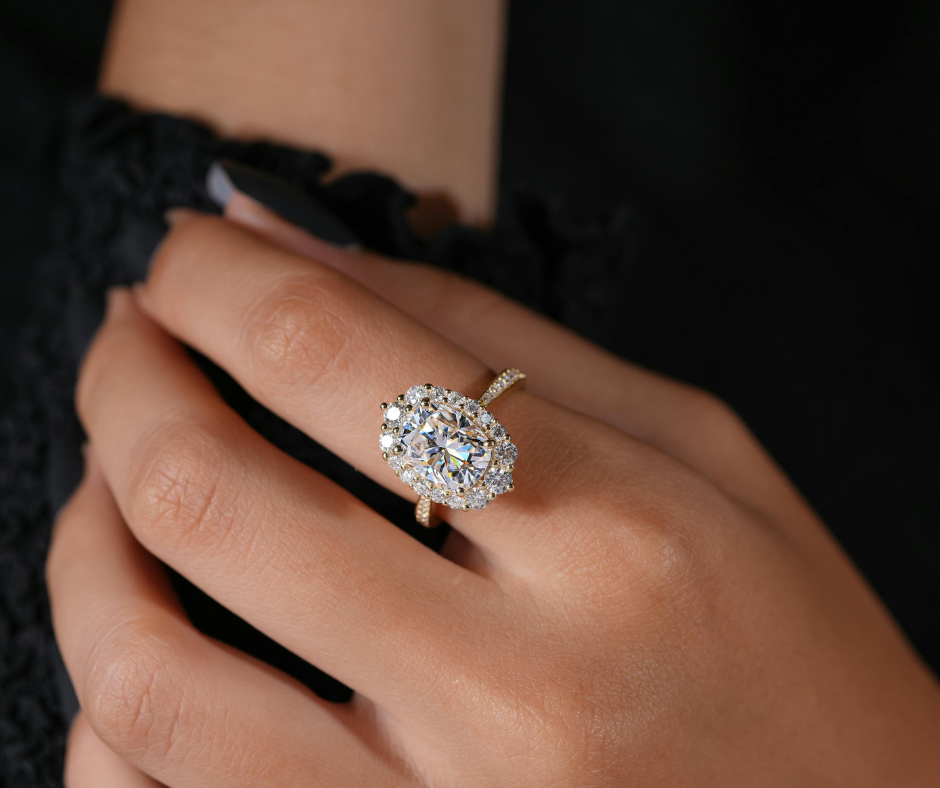
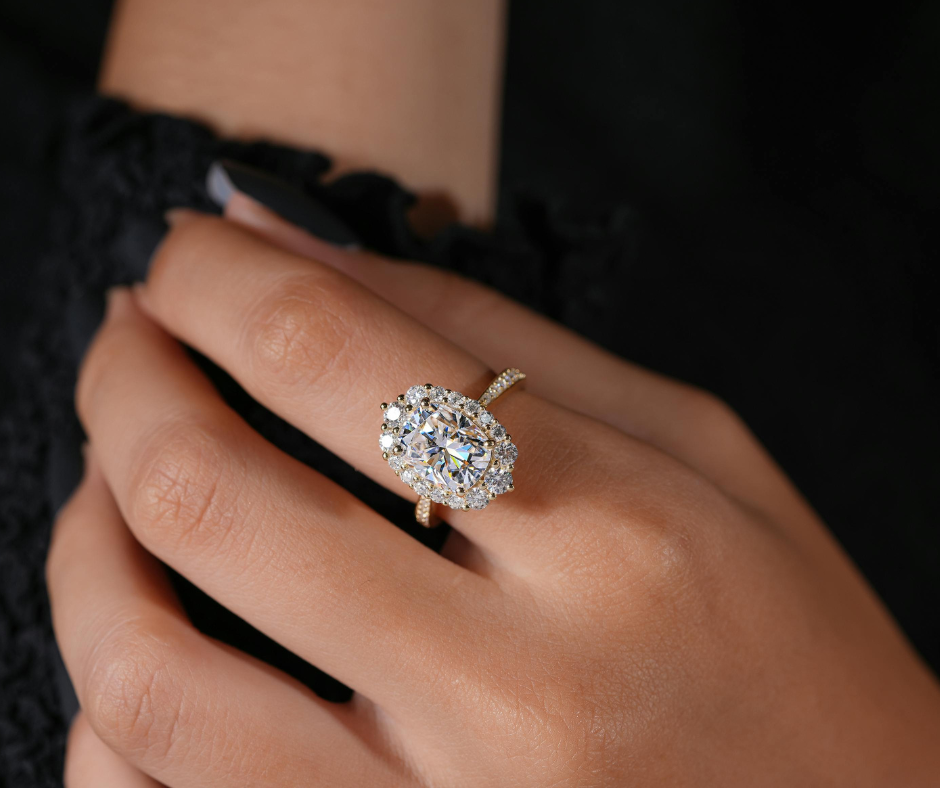
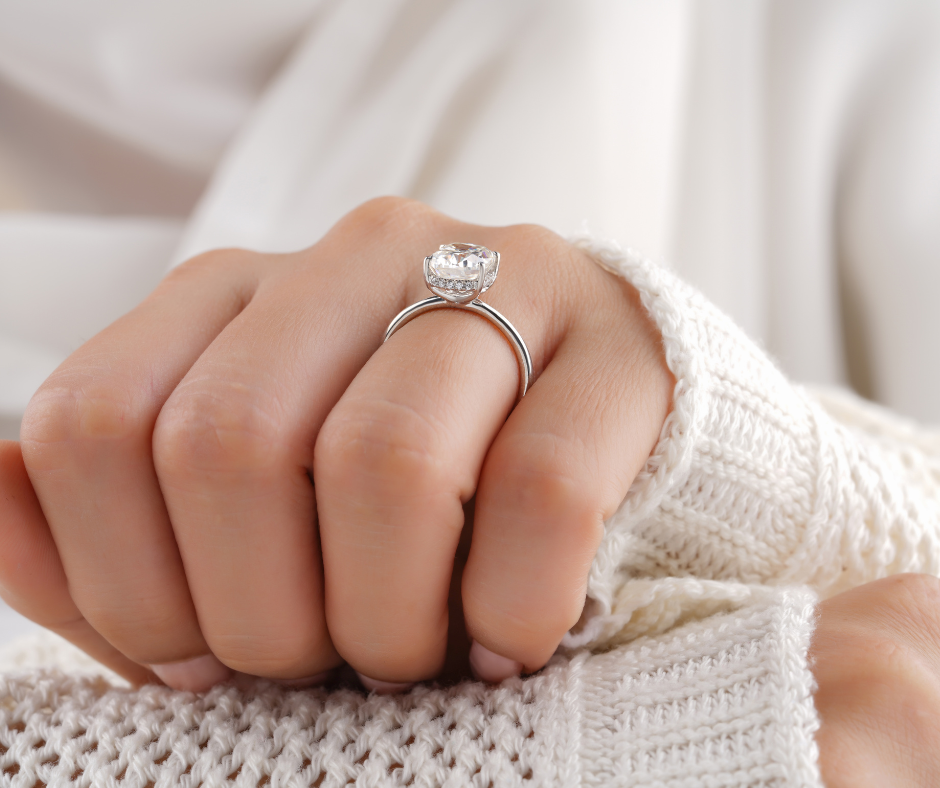
An oval diamond is considered a modified brilliant cut. Brilliant cuts feature 57 or 58 precisely arranged facets, and they offer the most sparkle of any diamond cut. Round brilliant cuts are, to this day, the most popular engagement diamond on the market. An oval cut is a variation on that iconic shape, slightly thinned and elongated to create a graceful oval. With both classic charm and modern appeal, oval diamonds have a flattering effect on the finger.Some of the major benefits of the oval diamond include:
- Oval diamonds appear larger than round diamonds of the same carat weight
- They are usually more affordable than round brilliants
- They make the wearer’s finger look longer and thinner
II. How to Evaluate an Oval Diamond
Cut Quality
Unlike round brilliant diamonds, oval diamonds don’t receive a cut grade from the GIA. But that doesn’t mean you can’t judge them yourself. When evaluating the cut of an oval diamond, look for:- Symmetry. Is one half of the diamond faceted or shaped differently than the other? Or are they in harmony?
- Brilliance. Make sure it’s brilliant (sparkly) overall, but also that the brilliance is evenly distributed throughout the diamond.
- Depth. When an oval stone is cut too deep, it won’t properly absorb and refract light. Dull oval diamonds were not cut properly.
- Length-to-width ratio. The standard range for an oval diamond’s length-to-width ratio is 1.30-1.50, with 1.35-1.45 considered the ideal. Lower ratios mean rounder diamonds, while higher ratios mean longer diamonds. You don’t have to do these calculations yourself–your jeweler can provide this information.
The Bowtie Effect
All oval diamonds, even the most perfectly cut ones, exhibit something called the “bowtie effect.” This is a bowtie-shaped shadow across the center of the diamond. It’s the result of light obstruction. Some degree of light obstruction is inevitable with this cut, simply because of its shape and proportions. However, the severity of the bowtie effect varies. On a well cut oval diamond, it should be barely–if at all–noticeable. This is one reason why you should always shop for diamonds in person rather than online. You can’t fully see a diamond’s bowtie without observing it up close and moving under natural lighting.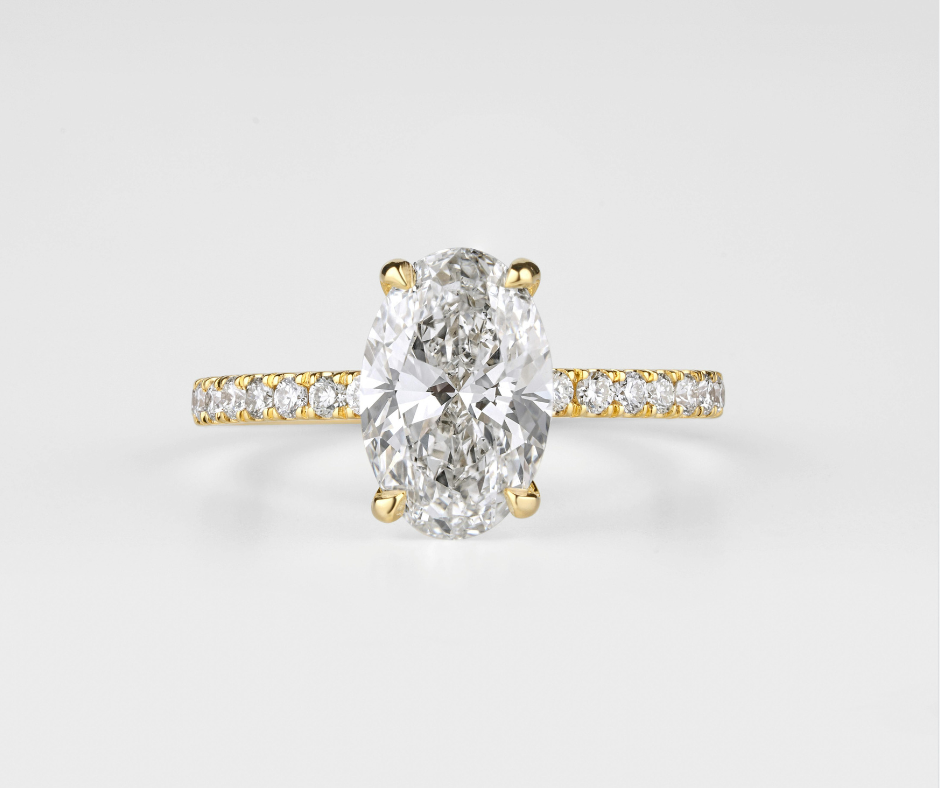
Color Grading
Oval diamonds naturally show more color than round diamonds due to their proportions and larger surface area. As a reminder, diamonds are graded on an alphabetical scale, with D being colorless (the highest grade) and Z being light yellow or brown. Here are some color grades to look for in an oval diamond:- D-F for a bright white diamond
- G-H for good value with some slightly noticeable warmth
- I-J for a warm tint that can work well in yellow or rose gold settings
Clarity Considerations
Like other brilliant cuts, oval diamonds hide inclusions pretty well. Their incredible sparkle can mask a lot. However, it’s still a good idea to see the diamond up close. Look for inclusions in the center of the diamond in particular. Remember, jewelers grade diamonds under a powerful microscope. Not all flaws will be visible to you. As long as the flaws are invisible to the human eye, then your diamond is a quality one.III. Best Settings for Oval Diamonds
-
Solitaire Settings
Solitaire settings feature a single stone, letting the diamond speak for itself. Place the diamond on a thin band to amplify its presence even more. -
Three-Stone Settings
Three-stone settings also give the oval diamond a chance to shine. Place it in the center and accentuate it with side stones like pear diamonds that beautifully balance out its elegant shape. -
East-West Settings
By turning the oval diamond horizontally, east-west settings put a modern twist on a timeless look. -
Bezel Settings
By encircling the diamond in metal, bezel settings really accentuate the contours of the oval stone. As a bonus, it’s a very secure and protective setting.
IV. Pro Shopping Tips for Oval Diamonds
Our best advice when it comes to buying any diamond, but particularly an oval diamond, is to shop in-person with a trusted jeweler. In short, try before you buy. You can only fully evaluate an oval diamond’s brilliance, symmetry, and bowtie effect when you can see it move and catch the light in person.You’ll also get a chance to try it on and see how it fits on your finger. This is important because the proportion of an oval diamond can have a huge impact on its overall appearance, and it’s hard to gauge proportions without seeing it in real life.
Don’t be afraid to ask questions! A reputable jeweler, like the team at Ellis Jewelers, should be able to answer all your questions. Beyond that, they should be enthusiastic about what they do! At Ellis Jewelers, diamonds are a passion. We’re happy to give you any and all information you might need before making this big decision.
Finally, when buying an oval diamond, prioritize cut quality over everything else–even carat weight. A well cut diamond can look brighter, sparklier, and bigger than a poorly cut diamond of a larger size.